A low bid is usually a short scope
When three proposals for the same backyard come back and one is dramatically lower, the instinct is to assume the low bidder is more efficient or hungrier for the work. Occasionally that is true. Far more often the low number reflects a smaller scope, and the difference is everything that was left out: the base depth, the drainage, the proper edge restraint, the soil prep, and the licensed labor that stands behind the result.
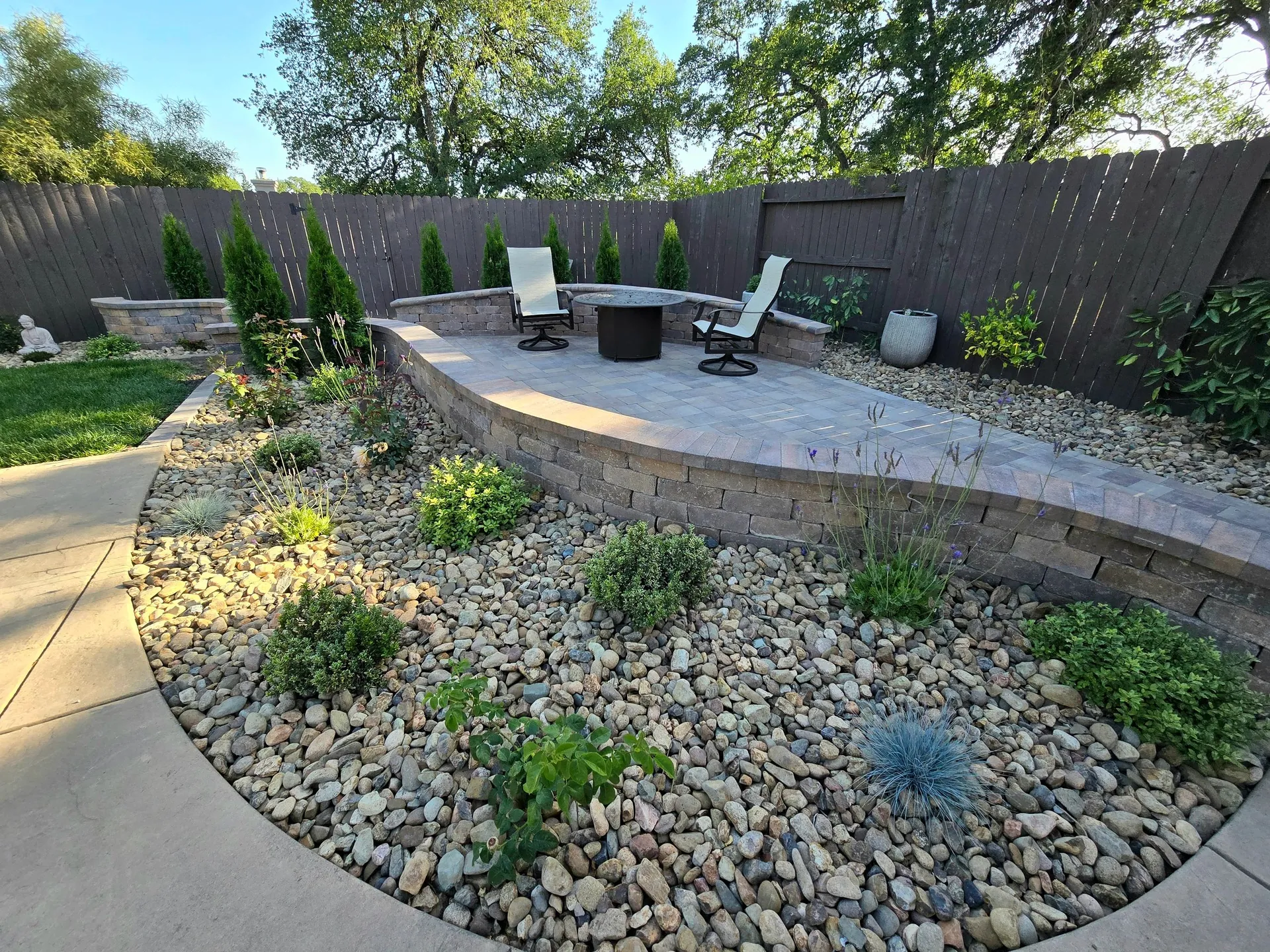
Two proposals can both say 'paver patio' and describe entirely different projects. One specifies four to six inches of compacted Class II base over a geotextile fabric with a concrete edge and polymeric sand joints. The other specifies pavers set on two inches of sand over native clay. They will look identical the week they are finished. They will not look identical the following spring, and only one of them carries a meaningful warranty.
This is why comparing bottom-line numbers in isolation is a trap. The discipline that protects a homeowner is reading what each line item actually includes, then comparing the bids on identical scope. When the cheap proposal is rewritten to match the thorough one, base for base and drain for drain, the price gap usually shrinks or vanishes, and the homeowner can see that they were never comparing the same project at all.
The failures that send you a second invoice
Cheap work fails in predictable ways, and almost all of them trace back to the parts of the job that are invisible once the surface is down. Skimp on the base and the hardscape settles. Skip drainage and water finds the low point, undermines the base, and pushes pavers apart. Plant in unamended clay and replace half the plant material within two years. Build a retaining wall without proper drainage behind it and watch it lean.
Each of these is not a touch-up. It is a teardown and rebuild of the thing that just failed, plus the cost of repairing whatever the failure damaged along the way, which in our climate frequently means water that has migrated toward a foundation or under a slab.
- Under-compacted or under-depth base, causing settlement and rocking pavers
- No drainage plan, so winter runoff pools and undermines hardscape
- Plants set in raw clay with no amendment, leading to high replacement rates
- Retaining walls without drain rock and weep relief, leading to bowing
- Irrigation that was never zoned or pressure-checked, leading to dry and drowned spots in the same yard
The unlicensed-contractor gamble
A meaningful share of suspiciously low bids in this region come from unlicensed operators, and in California that is not a minor technicality. The Contractors State License Board requires a license for any project where the combined labor and materials reach 500 dollars, which covers essentially every real landscape job. Hiring outside that system removes the protections the license exists to provide.
When unlicensed work fails, there is typically no bond to claim against, no workers' compensation coverage if someone is injured on your property, and no license to discipline. The homeowner is left holding the full cost of the redo with no recourse. The apparent savings on the front end becomes an uninsured liability on the back end, and that is before the rework itself is priced.
Verifying a license takes two minutes on the CSLB website, where a homeowner can confirm a number is active, see the classification, and check whether the contractor carries the required bond. It is the cheapest insurance in the entire project, and skipping it is how a bargain quietly becomes the most expensive decision in the yard.
What the redo actually costs
The arithmetic of cheap landscaping is simple and brutal. Treat these as illustrative regional ranges rather than quotes, because access, material grade, and soil change every project. If a budget paver patio comes in around 12 to 16 dollars per square foot and fails, the rebuild does not start from zero, it starts from negative: the failed surface and base must be demolished and hauled off first, then the job is built correctly at something like 20 to 35 dollars per square foot.
Add the two together and the homeowner who chased the lowest number has paid roughly two to three times what a single correct installation would have cost. The same pattern holds for planting that has to be replaced, walls that have to be rebuilt, and drainage that has to be retrofitted after the hardscape is already in. Buying twice is always more expensive than buying once.
How to read a proposal so price means something
The defense against cheap-that-becomes-expensive is not paying the most; it is comparing scope, not just totals. A proposal worth trusting tells you what is happening below grade, names the materials by grade, and stands behind the work with a written warranty from a licensed entity.
Reliable Landscaping & Design (CSLB #1101544) writes proposals that spell out base depths, drainage, material specifications, and warranty terms precisely so homeowners can compare apples to apples. If you are holding bids that range wildly and want help understanding why, request a consultation and we will walk you through what each one is and is not including.
- Confirm base material, depth, and compaction are specified in writing
- Confirm the drainage approach is described, not assumed
- Confirm materials are named by grade, not just by category
- Confirm the contractor's CSLB license number and that it is active
- Confirm the warranty terms and who, specifically, stands behind them