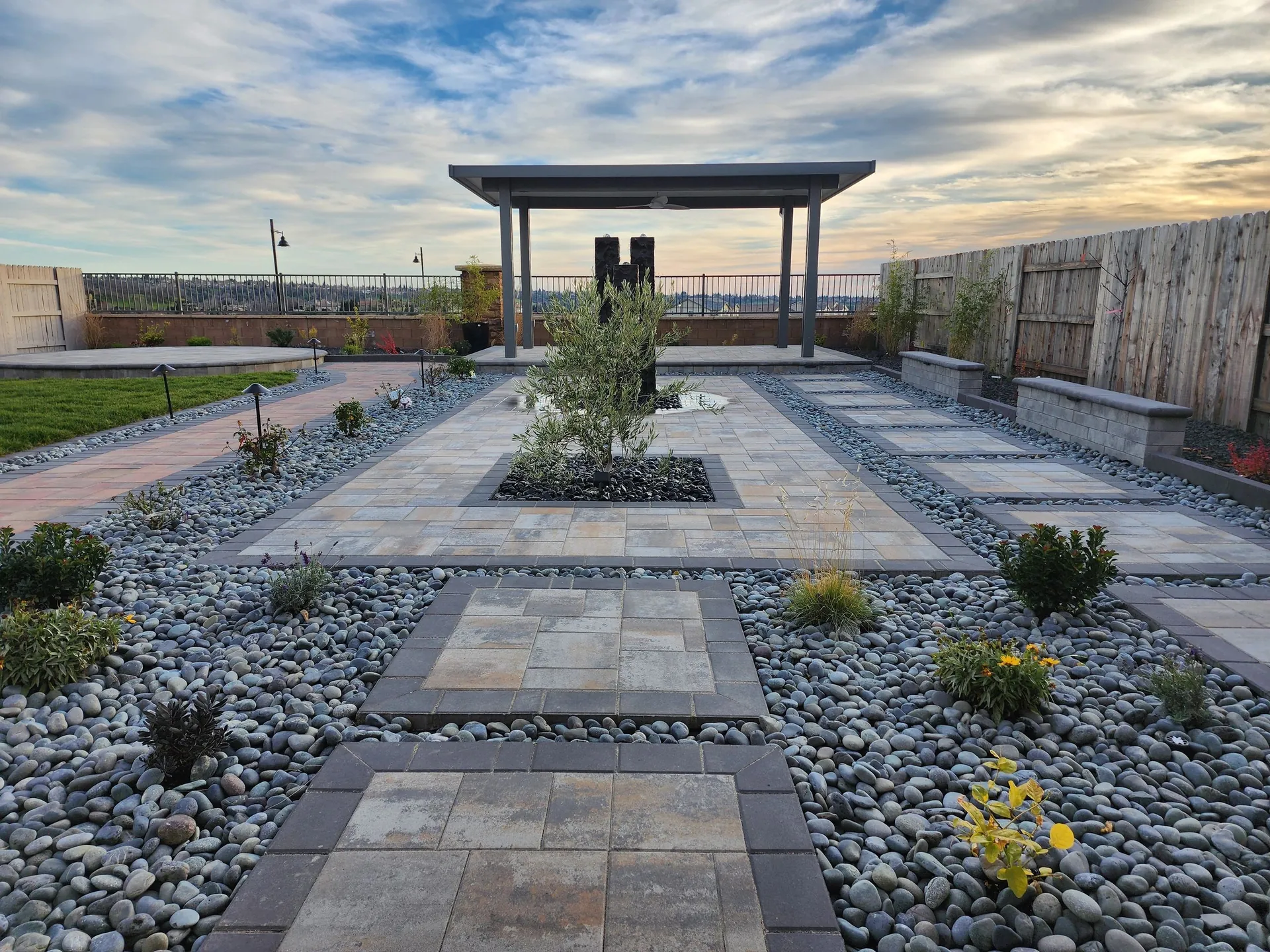
Why Granite Bay HOAs Look So Closely at Landscapes
Many of Granite Bay's gated and planned communities were built around a consistent look: generous setbacks, mature tree canopy, and front yards that read as one neighborhood rather than a row of individual statements. Architectural review committees exist to protect that, and they take exterior changes seriously. Landscape plans get the same scrutiny as a room addition.
That is not a reason to be frustrated. A committee that reviews carefully is also protecting your property value. The goal is simply to design with the review in mind from the start, so approval is a formality rather than a months-long negotiation.
What Review Committees Actually Check
Every association has its own governing documents, so the first step is to read the CC&Rs and design guidelines for your specific community before any drawing begins. Across the Granite Bay associations we have worked with, the same themes come up repeatedly:
- Setbacks and placement of structures such as pergolas, outdoor kitchens, fire features, and sheds relative to property lines and the house
- Heights of fences, walls, hedges, and structures, especially anything visible from the street or a neighboring lot
- Drainage: plans that could push water onto a neighbor or into a common area are a fast rejection
- Materials and colors that complement the home and the neighborhood palette, particularly for walls, paving, and roofing on covered structures
- Plant selections, including restrictions on invasive species, minimum front-yard planting, and preservation of protected oaks
- Lighting that stays on your property without glare into neighboring windows
- Street-visible equipment like pool equipment, AC condensers, and trash enclosures, which usually must be screened
Building a Submittal Package That Gets Approved
Committees are volunteers reviewing stacks of applications. A complete, legible package gets approved; a vague one gets a list of questions and a spot on next month's agenda. A strong landscape submittal typically includes a scaled site plan showing property lines, the house footprint, existing trees, and all proposed hardscape and planting; a plant list with botanical names, sizes, and quantities; material and color specifications with photos or samples for paving, walls, and structures; elevations or manufacturer drawings for anything with height, such as a pergola or outdoor fireplace; and a short drainage narrative explaining where water goes.
Include your contractor's license and insurance information if the guidelines call for it, along with a realistic construction schedule. Committees want to know the project will be finished cleanly, not left half-done through the holidays.
The Most Common Reasons Plans Get Sent Back
In our experience, the rejections are rarely about taste. They are about missing information and foreseeable conflicts. Plans come back when a wall height is not dimensioned, when a structure encroaches on a setback or utility easement, when a drainage plan is absent, or when the plant list is a generic palette that ignores the community's approved species. Removing or heavily pruning a mature oak without the required arborist report is another frequent problem, and in Placer County that can involve the county as well as the HOA.
The fix for all of these is the same: design to the guidelines from the first sketch and document what the committee is going to ask about before they ask.
Sequencing the HOA, County Permits, and Construction
HOA approval and county permitting are separate tracks, and getting them in the wrong order wastes time. We recommend finalizing the design, securing HOA approval, then pulling any required Placer County permits for items such as retaining walls over a certain height, gas lines to fire features and outdoor kitchens, electrical for lighting and equipment, and pools or spas. Some committees want to see the permit before work starts; others only need to be notified. Your guidelines will say which.
Build in time for the review cycle. Many committees meet monthly, and a resubmittal can add another thirty days. Starting the design process in late winter is the surest way to be building in spring and enjoying the yard by summer.
A Design That Satisfies the Committee and Your Family
HOA guidelines constrain the edges of a design, not its quality. Some of the best outdoor spaces we have built in Granite Bay sit inside strict review processes, because the discipline of working within setbacks, height limits, and a cohesive material palette tends to produce calmer, better-proportioned yards. The structure, drainage, and base work beneath the surface are what make them last, and no committee ever objected to a patio that stays level and a yard that drains properly.
If you are planning a front or backyard project in a Granite Bay association, we handle the design, the submittal package, and the construction as one process. Request a consultation and we will review your community's guidelines with you before the first drawing is made.